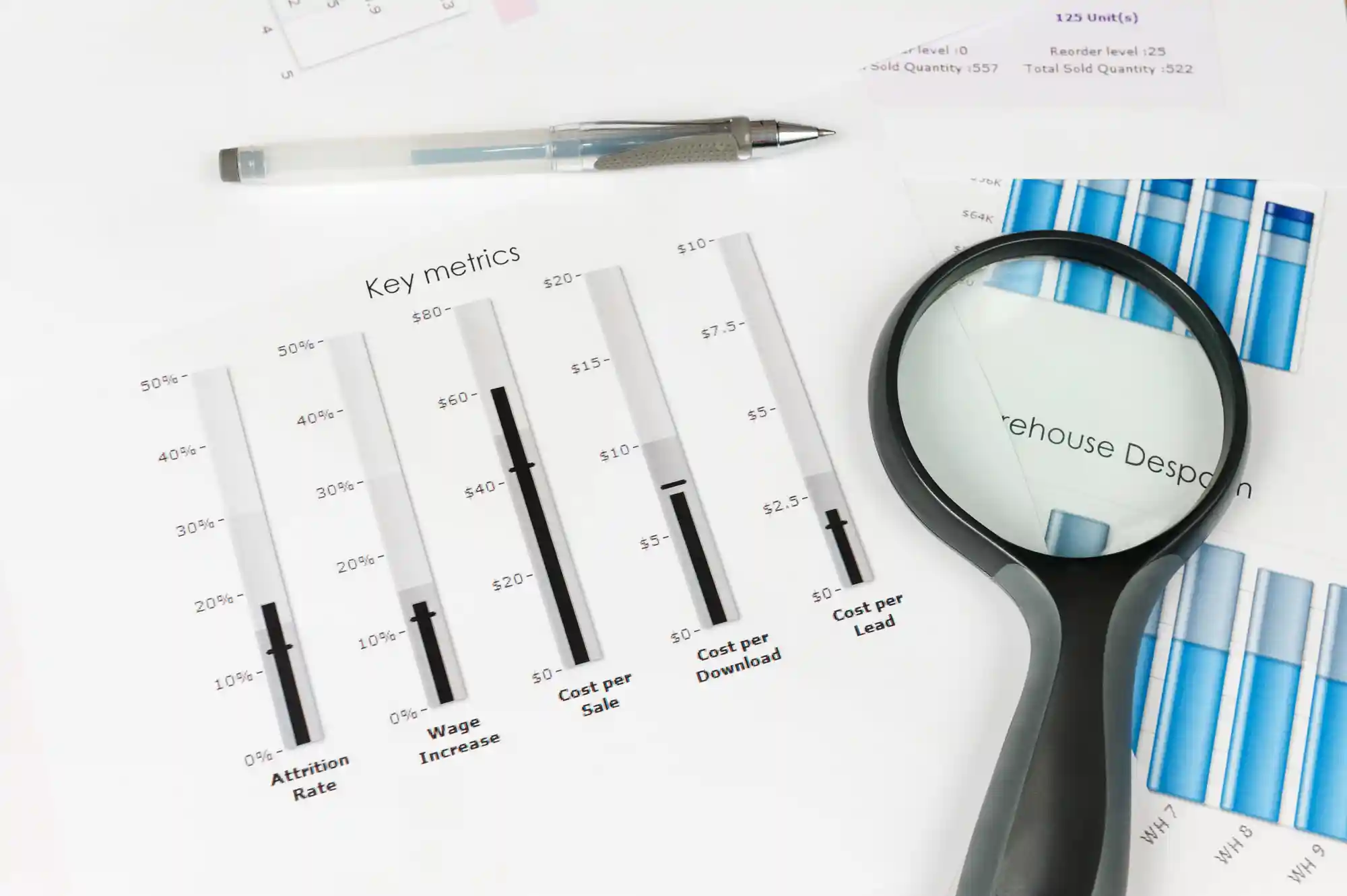
As a growing number of companies look to innovate and optimize their sales processes, one particular strategy has gained popularity in the world of growth hacking: the Smoke Test. This tactic has attracted attention for its effectiveness in quickly and cost-effectively determining whether there is enough demand for a product to justify its development.
Given the relevance of this topic — and it being one of my clients' favorites — I've created this guide to dive deep into the world of the Smoke Test, discuss its usefulness, provide practical examples, and explain how professionals like you can implement it effectively.
What is a smoke test?
A smoke test is a quick and inexpensive method for finding out whether there is demand for a product or service before investing in its development.
The idea is simple: ask yourself whether people will actually be interested in what you want to sell. Before wasting time and money building something that may not succeed, you gauge market interest first.
The difference between a Smoke Test and an MVP
At first glance, a Smoke Test looks a lot like an MVP (if you're not sure what an MVP is, you can find an article about what an MVP is on my blog). The two concepts are indeed very similar. In general, a Smoke Test can be considered a type of MVP — one of its lightest versions — but there is one key difference. While an MVP is a stripped-down, minimal version of the product you want to build, in a Smoke Test there is often nothing at all yet — not even an initial version.
Where does the name 'Smoke Test' come from?
The term "smoke test" has its roots in hardware testing. It comes from the idea of a "smoke test" used to check for faults in electronic components. If a component was defective, it would start emitting smoke — and the smoke test was designed to identify that before it caused further damage. This same concept was later adapted for software testing, where developers can quickly verify whether their code works as expected.
In recent years, the term 'Smoke Test' was adopted by Eric Ries within the Lean Startup methodology. Ries applied it to validate product hypotheses and measure customer interest before investing in full development — and it has since become a cornerstone of Growth Hacking.
What is a smoke test used for?
Running a Smoke Test — whether in a startup or an established company — has 3 main purposes:
- Collecting data quickly and cost-effectively.
- Validating a product/service/model/idea based on market response.
- Testing variants (for example, through A/B testing)
Once completed and having delivered those 3 benefits, all of this helps you decide whether to move forward with your project or abandon it.
How to run a smoke test
Creating a Smoke Test is an operation that, by its very nature, must be done quickly. There are 4 main steps in the process:
1. Define an OMTM (One Metric that Matters)
As with other types of tests, smoke tests require you to measure key metrics to determine success or failure. Among those, you must always choose one primary metric — the OMTM (One Metric that Matters). The OMTM result will determine whether the test has succeeded, since this is the most important metric of all.
2. Create a basic demonstration.
This is often a landing page — a page that describes what you'll be selling and why people will need it. But it can also be a short video or, in extreme cases, even a PowerPoint presentation.
3. Drive traffic to your smoke test.
The most common approach is running paid ad campaigns on Facebook Ads or other advertising platforms, but you can also use live events, Facebook groups, and more. What matters is that all traffic comes from people who match your ideal customer profile — your Buyer Persona. If you want to learn more, read my article on what a buyer persona is and how to identify yours.
4. Measure the results and the OMTM
The final step is to analyze the test data — in particular, the data for the OMTM you defined earlier. If the results are positive, you continue with the project and start the next tests. If they're negative, you either abandon it or try a different type of test.
Smoke Test Example
In my one-hour intensive course, where I explain in detail and without wasting time how to validate an idea with a Smoke Test, I walk through the famous Dropbox Smoke Test — one of the most well-known success stories in history. But here's a brief example to give you an idea.
Imagine you have an idea for a new fitness app that includes personalized workouts, nutrition tracking, and live coaching from personal trainers. Instead of investing time and resources into fully developing the app, you run a Smoke Test.
You create an attractive landing page describing the app and its features, including a 'Download' button. When visitors click 'Download', they receive a message saying the app is in development and are invited to leave their email to be notified when it's ready.
The number of people who click 'Download' and leave their email can be a strong indicator of market interest in your product. This way, before investing in full development, you have an initial validation of your hypothesis and a clearer understanding of your idea's potential.
As you can see, you'll have saved a significant amount of time and money, and you'll have data to help you decide whether to continue with development or not. Is everything clearer now? Do you have an idea you'd like to test with a Smoke Test but need help? You can discuss it with me through my growth coaching service.
Characteristics of an error-free smoke test
Now that we know what a smoke test is, what it's used for, and how to run one, let's look at the characteristics of a well-executed, error-free smoke test:
- No finished product is needed — in fact, there almost never is one. Covering basic functionality is enough.
- It must have a clearly defined objective.
- It must be targeted at a specific customer segment.
- It must clearly and simply show what problem your idea solves.
- It measures quantitative data.
- There must be an OMTM — a primary, objectively measurable metric — that determines whether the test succeeds or fails.
- Cost is low and time is minimal. Smoke tests are designed to execute quick, inexpensive checks of how the market responds to your product. They shouldn't be costly or time-consuming.
- Ideally it has room for iteration and can be combined with A/B Tests.
Advantages of the smoke test
For a company, running smoke tests instead of developing a product without prior experimentation brings very important advantages:
- You get a first market response to your product in little time and with minimal effort.
- It reduces the risk of spending money and resources in the wrong direction.
- It allows you to collect data that will be essential for the next phases.
Now that you know more about smoke tests, you can start building your first Smoke Test. If you want to learn more, I've created a one-hour intensive course dedicated to the Smoke Test. The course goes even deeper into building an effective Smoke Test — and as always, it's free for all members of my growth club.
If after reading this article you still have questions, I invite you to join my free Telegram group. In our community, you can ask questions and share them with other professionals passionate about growth hacking.
Amunì!
Fabri