If this 2023 you've set yourself the goal of finding a profitable market niche, this guide will show you how — how to search for and choose profitable niches so you can start identifying your next one right away.
As entrepreneurs, it's essential to study the market carefully and the niche in which we want to compete. This involves several actions: studying the competition, knowing your target audience well, and evaluating the opportunities and risks involved — all steps you'll find in this guide.
What is a market niche? The exact definition
A market niche is a segment of a larger market that has its own needs, preferences, and characteristics. It encompasses a specific group of people, allowing you as an entrepreneur to better meet the needs of that particular group and make more effective use of your marketing and advertising resources.
However, not all niches are equal — and it's not true that simply choosing a niche is enough to be profitable. It's important to be aware of the competition in the market, as well as the potential risks involved. You should also be aware of the possibility that the market niche becomes saturated with similar products and services.
Why are market niches important?
Targeting a market niche or market segment is usually more profitable than targeting a general market, because it allows you to specialize and segment the market to better serve customer needs. In a niche, customers have specific characteristics that allow them to identify within it and maximize profits and revenue for the business.
In general, there are many benefits to having a niche business. Here are the main ones.
7 benefits of market niches
- You optimize your ROI. By focusing on a market segment, you can direct your promotional campaigns toward something very specific — optimizing your ROI (Return on Investment).
- You can effectively personalize your products. To meet the needs of this specific segment, you can customize your products in ways that make them more recognizable — with all the benefits that brings.
- You have more effective marketing. By speaking to a more specific audience, your language is closer to what your customers use — which gives your marketing greater impact.
- You maximize actual and potential sales. By ensuring you reach the right people, you can get the maximum benefit from your sales.
- You optimize your resources — saving time, money, and improving ROI. By focusing on one segment instead of an entire market, you can optimize your resources, saving time and money.
- You establish yourself as an expert in the field. This increases your brand authority and allows you to charge higher average prices.
- You build trust with customers, increasing satisfaction and loyalty. Because they receive products or services that are closer to their specific needs.
- You differentiate yourself from competitors. This gives you a competitive advantage in a market where businesses often look very similar.
Market niche examples
Before walking through the steps to find a profitable market niche, let's look at some concrete examples to make everything clearer.
If this isn't your first visit to my blog or you're already subscribed to my newsletter, you'll know I always prefer to show examples I've lived personally in my own businesses, or SME case studies — rather than the usual US startup examples.
Menford
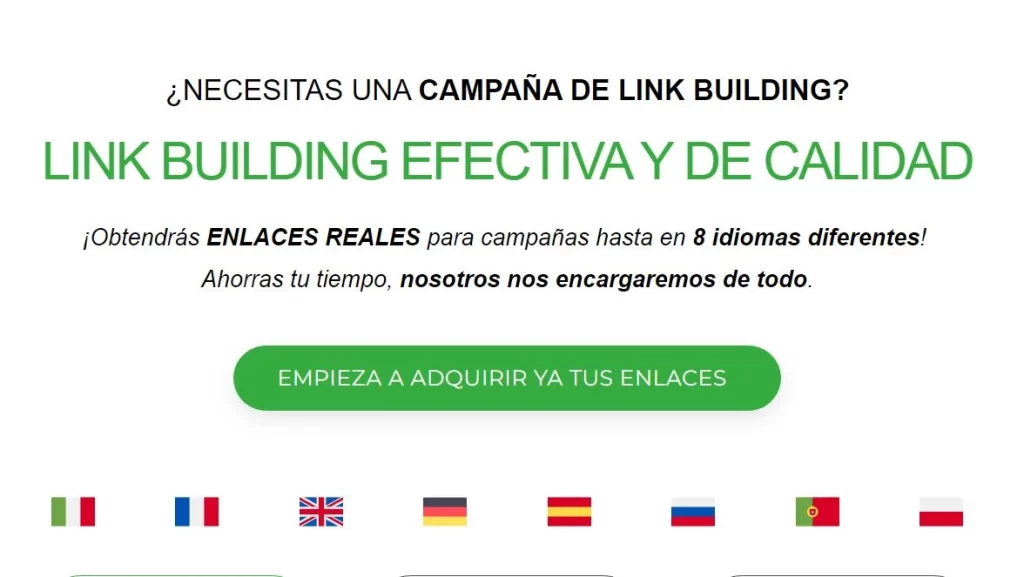
To start, here's the example of one of my businesses that operates within a market niche. Menford is a link building agency that helps businesses and marketing agencies with their link building campaigns. Within the large online marketing market sits the SEO niche (optimizing web pages to rank better in Google and other search engines), and within SEO activities sits link building — a niche within a niche.
Menford is an example of a business that operates in a sub-niche — a segment within a niche.
Passione Inter
Passione Inter is another market niche example I manage. It's a paid club dedicated to Inter Milan fans that offers an information and relationship service between journalists and Interisti fans, plus a private, moderated paid community that avoids the typical fights found on social networks.
Within the large football market, Passione Inter works in the niche of Inter Milan fans, targeting people willing to pay for quality, clickbait-free information and a community where they can talk with respect and civility.
How to find a market niche?
Now that we've seen some market niche examples, let's walk step by step through how to find a profitable market niche.
These are the 5 steps to finding a market niche:
Step 1: Identify your market and target audience
The first step is to identify your target market — specifically, who your target audience is.
Before thinking about what to sell, think about who you want to sell to. Knowing what problems people face and how you can help them is essential for building a successful business. To get a better understanding of your target audience, answer these questions:
- Who is your target audience? Ask yourself who your ideal customer is and what characteristics they share. How old are they? What kind of work do they do? What's their income level? What are their interests? This information can help you focus your marketing efforts on the right demographic.
- What problem does your target audience have? Once you've identified who your target audience is, you need to find out what problems they face. What are their biggest challenges? What do they need help with? Understanding their pain points can help you find a product or service that directly addresses their needs.
- How can you help your target audience? Once you have a better understanding of your target audience's needs and challenges, you need to figure out how you can help them. What solutions can you provide? What products can you create? What services can you offer? Having an action plan to solve your target audience's problems is essential for success.
Step 2: Analyze the competition
In this step you need to understand and analyze your competition, which can be your greatest asset or your greatest obstacle. Knowing who your competitors are, what they offer, and how you can differentiate your products and services is essential for standing out in the market and finding success.
To get a better understanding of your competition, answer these questions:
- Who are your competitors? Start by identifying who your competitors are. Look at the market as a whole and see who is offering similar products and services. Look at what they're doing and what makes them stand out. You can also look at customers and see what they're buying from your competitors — this can give you a better idea of what kind of products and services they're looking for.
- What are their products and services? Once you've identified your competitors, analyze their products and services. What features do they offer? What benefits do they provide? What prices do they charge? You need to understand the competition to be able to offer something different.
- How can you differentiate your products and services? Analyze the market and find out what customers are looking for. Perhaps you can offer better quality, more value, or a unique feature. These are all important considerations when differentiating your offerings.
Step 3: Evaluate a market niche
Now that you've identified a niche and your competitors, let's move to the next step: evaluating your market niche.
Taking the time to assess the niche size, potential revenue, and trends can help you determine the best approach to making money in the niche. In our evaluation, we need to ask ourselves:
- What is the size of your niche? If it's too small, it may not be worth investing in, since the amount of money you can make will be limited. Focus on a market that has enough potential customers to be worthwhile.
- What is the potential revenue of your niche? It's important to consider both the market size and the products and services you can offer. Also consider the competition within the niche — if there's a lot of it, it may be too difficult to make money.
- What are the trends in your niche? Is there a particular trend driving the market? Is there growth potential or is the market stagnating? Understanding niche trends is crucial — it's much more profitable to invest your time in something with future growth potential that likely doesn't yet have much competition.
Google Trends is a great resource for researching emerging trends, what people are interested in, and what products they're buying.
Step 4: Explore the niche
Exploring the niche is an important step in building a successful business, whether you're just starting out or have been at it for a while. When it comes to exploring your niche, there are a few things to consider:
- What resources are available about the niche? The first step in exploring a niche is identifying what resources are available. This includes everything from industry publications, blogs, and social media accounts to local networks and online marketplaces. Consider what resources are available and determine how they can be leveraged to your advantage.
- What are the niche's opportunities? Now it's time to start identifying opportunities. This could include market trends as mentioned before, new technologies, customer needs, or any other information that could help you build a successful business.
- What are the niche's risks? Along with the opportunities, it's also important to consider the risks. This could include competitors, regulatory changes, or any other factor that could impact your business. Identifying and understanding these risks is essential.
Step 5: Finalize the market niche
Once you've identified the niche's resources, opportunities, and risks, it's time to start refining it. This process will help you define your offerings, set your prices, and determine the best methods to market and sell your products.
- Redefine your niche. The first step in redefining your niche is defining the type of products and services you offer. Consider what makes your offerings unique and how you can use that to stand out from the competition — this could include unique features, specialized services, or unique customer experiences.
- Create your niche offerings. Once you've established the type of products and services you offer, it's time to create them. This could include running a smoke test that will help you quickly and inexpensively check the market's first response. To learn more, read my article on what a smoke test is in growth hacking and marketing.
- Finalize your pricing. The last step is determining the price of your products and services. Choose a pricing strategy based on the characteristics of the niche and your products, and start experimenting.
Conclusions
In conclusion, as you've learned from reading this guide, finding a market niche takes some work upfront. But if you do things right across these 5 steps, you'll have many more chances of finding the perfect niche for you.
Of course, after finding your niche, you'll need to focus on growing the business. On this blog, in my newsletter, and in our online business growth club, there are many resources that can help you.
Amunì!
Fabri